What Should You Avoid Eating After Teeth Whitening?
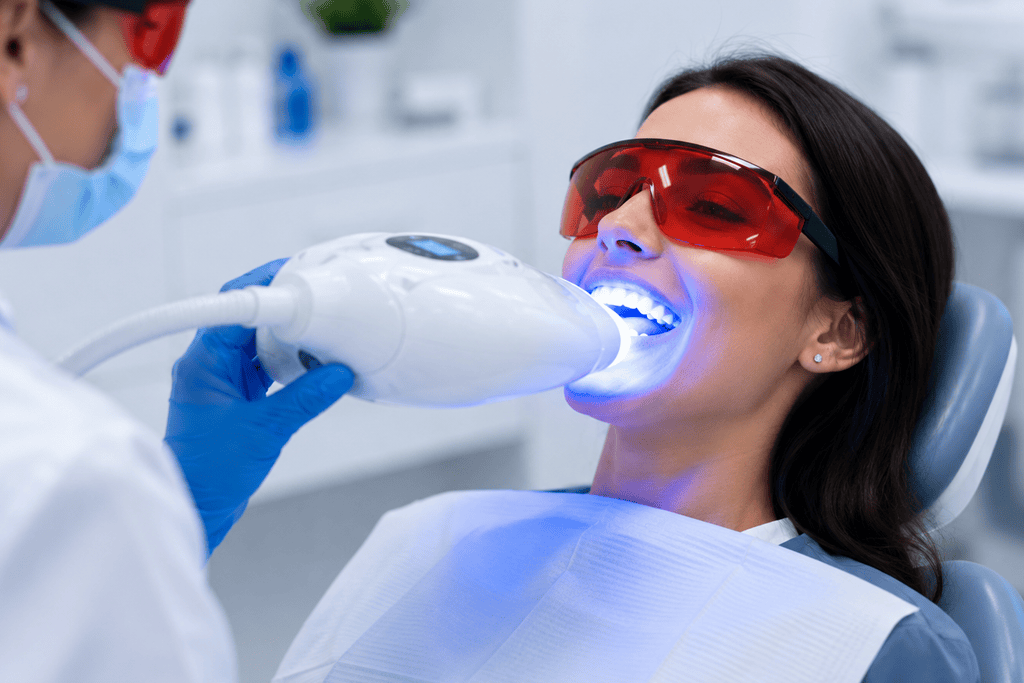
Professional teeth whitening can help brighten your smile and remove many types of surface stains. After treatment, you may want to protect your new, brighter smile for as long as possible.
One simple way to do this is to be careful about what you eat and drink shortly after teeth whitening.
Some foods and beverages contain strong colours or acids that may contribute to staining or cause temporary sensitivity. Knowing what to avoid after whitening can help you maintain your results and keep your teeth comfortable.
Why Should You Watch What You Eat After Teeth Whitening?
After professional teeth whitening, your teeth may be temporarily more sensitive. Some people may also be more concerned about staining during the first few days after treatment.
Dark-coloured foods and drinks can leave pigments on your teeth, while acidic foods can contribute to sensitivity.
Your dentist may give you specific instructions based on the whitening treatment you received, so always follow their recommendations first.
Foods and Drinks to Avoid After Teeth Whitening
1. Coffee
Coffee is one of the most common drinks associated with tooth staining. Its dark colour can leave pigments on the surface of your teeth.
If possible, avoid coffee shortly after whitening. If you decide to drink it later, ask your dentist about ways to reduce contact with your teeth.
2. Tea
Black tea and other dark teas can also contribute to tooth staining.
If you regularly drink tea, consider lighter-coloured options after your whitening treatment. Your dental professional can advise you on what may be appropriate for your situation.
3. Red Wine
Red wine contains dark pigments that can stain teeth. It is best to avoid it immediately after teeth whitening if you want to protect your results.
4. Dark-Coloured Soft Drinks
Cola and other dark soft drinks can contain both colouring agents and acids.
These drinks may not be ideal after whitening because they can contribute to staining and may increase sensitivity.
5. Tomato-Based Sauces
Tomato sauce, pasta sauce, and other deeply coloured sauces can stain teeth.
For the first few days after whitening, consider lighter-coloured alternatives when possible.
6. Berries
Blueberries, blackberries, raspberries, and other dark berries contain natural pigments.
Although berries can be part of a healthy diet, their strong colours may contribute to staining. Your dentist can advise you on when it is appropriate to return to your normal diet after whitening.
7. Curry and Other Strongly Coloured Foods
Many curry dishes contain spices and ingredients with strong colours. These foods can potentially stain teeth, particularly soon after whitening.
If you have recently had your teeth whitened, choose lighter-coloured meals when possible.
8. Dark Chocolate
Dark chocolate contains pigments that may contribute to staining. It may be better to choose lighter-coloured foods during the initial period after whitening.
9. Highly Acidic Foods and Drinks
Foods and drinks containing a lot of acid may increase tooth sensitivity.
Examples can include:
- Citrus fruits
- Lemon-based drinks
- Oranges
- Grapefruit
- Vinegar-based foods
- Certain soft drinks
If your teeth feel sensitive after whitening, limiting acidic foods and drinks may help you stay more comfortable.
What Can You Eat After Teeth Whitening?
You don’t have to avoid food altogether after whitening. There are many lighter-coloured foods that can be easier choices while you are protecting your smile.
Depending on your dentist’s instructions, options may include:
- Chicken
- Turkey
- White fish
- Rice
- Pasta with light-coloured sauces
- Potatoes
- Oatmeal
- Eggs
- Plain yogurt
- Cauliflower
- Bananas
- White bread
The right choices may vary depending on your treatment and individual sensitivity.
What Can You Drink After Teeth Whitening?
Water is one of the simplest choices after teeth whitening.
It helps keep your mouth hydrated and can rinse away food particles after meals.
If your teeth are sensitive, you may also want to avoid very hot or very cold drinks for a short period.
Ask your dental professional when you can comfortably return to your normal drinks.
How Long Should You Avoid Staining Foods?
The recommended time can vary depending on the whitening treatment and your dentist’s instructions.
Some dental professionals recommend being particularly careful with highly pigmented foods and drinks during the first 24 to 48 hours after treatment.
However, there is no single diet that applies to every whitening treatment. Your dentist or dental hygienist can give you personalized aftercare instructions.
What About Tooth Sensitivity After Whitening?
Temporary sensitivity is a common concern after teeth whitening.
You may notice sensitivity when eating or drinking something hot, cold, sweet, or acidic.
If you experience sensitivity, try:
- Drinking room-temperature water
- Avoiding very hot or cold foods
- Choosing less acidic foods
- Using oral care products recommended by your dental professional
- Following your dentist’s aftercare instructions
If sensitivity is severe, persistent, or concerning, contact your dental office.
How Can You Keep Your Teeth White After Treatment?
Your daily habits can make a difference in maintaining your brighter smile.
Brush and Floss Regularly
Good oral hygiene helps remove plaque and surface stains. Brush twice a day and clean between your teeth regularly.
Drink Plenty of Water
Water can help rinse your mouth after eating and drinking.
Limit Staining Drinks
Regular consumption of coffee, tea, red wine, and dark soft drinks may contribute to staining over time.
Don’t Smoke or Use Tobacco
Tobacco products can cause significant tooth discoloration and can negatively affect your oral health.
Visit Your Dentist Regularly
Routine dental examinations and professional cleanings can help maintain your oral health and identify concerns early.
When Should You Consider Professional Teeth Whitening?
If your teeth have become discoloured because of food, drinks, aging, or other causes, professional teeth whitening may be an option.
Before whitening treatment, your dentist can examine your teeth and gums and determine whether whitening is appropriate for you.
Professional teeth whitening is not suitable for every type of discoloration. For example, some internal tooth discoloration or dental restorations may not respond to whitening in the same way as natural teeth.
A dental consultation can help you understand what results you can reasonably expect.
Teeth Whitening in Scarborough
A brighter smile can help you feel more confident, but maintaining your results requires more than the whitening treatment itself. Paying attention to your food and drink choices, maintaining good oral hygiene, and following your dentist’s aftercare instructions can help you care for your smile.
If you are considering teeth whitening in Scarborough, The Family Dental Centre can assess your smile and discuss available whitening options with you.
Contact The Family Dental Centre to schedule a consultation and learn whether professional teeth whitening is right for your smile.
Have a question about your smile?
Our Scarborough team is happy to talk it through — no obligation, no pressure.