When Should You Consider Wisdom Teeth Removal?
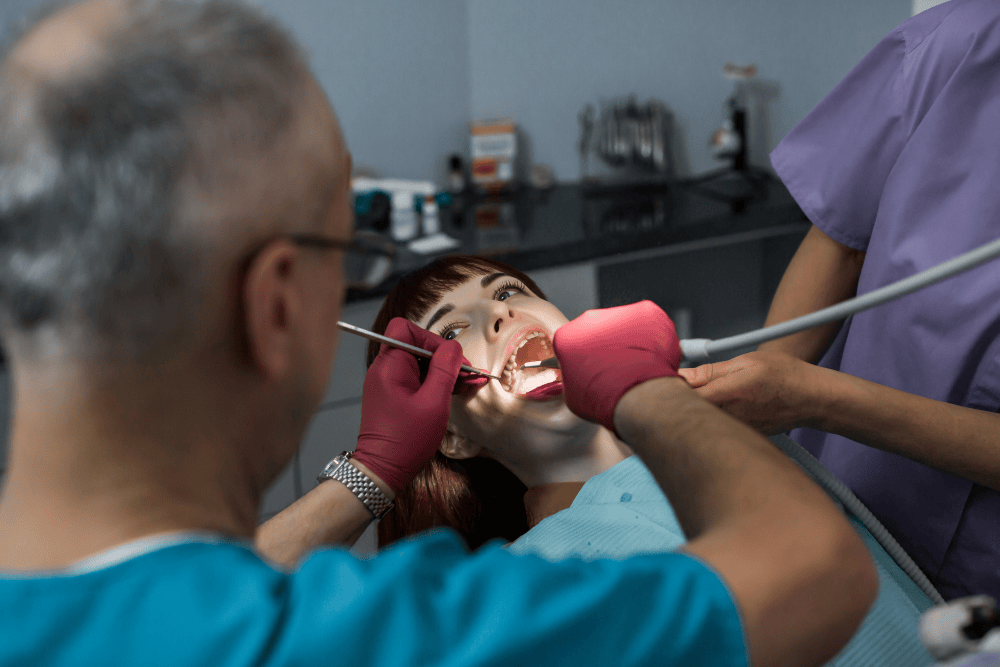
Wisdom teeth are the last set of molars to develop, usually appearing during the late teenage years or early adulthood. While some people have enough room in their mouth for wisdom teeth to grow normally, others may experience problems when these teeth become impacted, crowded, or difficult to clean.
Not everyone needs to have their wisdom teeth removed. However, when a wisdom tooth causes pain, infection, damage to surrounding teeth, or other oral health concerns, removal may be recommended.
Understanding the signs that may indicate a need for wisdom teeth removal can help you seek dental care at the right time and avoid complications.
What Are Wisdom Teeth?
Wisdom teeth are the third set of molars located at the very back of the mouth. Most people have up to four wisdom teeth, although some people develop fewer or none at all.
Because wisdom teeth are the last permanent teeth to develop, there may not always be enough room for them to emerge properly. A wisdom tooth may become partially erupted, grow at an unusual angle, or remain trapped beneath the gum or jawbone.
When this happens, the tooth is known as an impacted wisdom tooth.
Some wisdom teeth can remain in the mouth without causing problems, while others may require professional monitoring or removal.
When Should You Consider Wisdom Teeth Removal?
A dental examination can determine whether your wisdom teeth are likely to cause problems. Some common situations in which removal may be considered include the following.
1. You Are Experiencing Wisdom Tooth Pain
Pain at the back of your mouth can be one of the most noticeable signs that a wisdom tooth may be causing a problem.
You may experience:
- Pain or pressure behind your back molars
- Tenderness around the gums
- Jaw discomfort
- Pain when chewing
- Difficulty opening your mouth
- Pain that comes and goes
Wisdom tooth pain should not simply be ignored. While discomfort may sometimes temporarily improve, the underlying issue can remain.
A dentist can examine the area and determine whether the wisdom tooth is erupting normally or creating a problem that may require treatment.
2. The Wisdom Tooth Is Impacted
An impacted wisdom tooth does not have enough space to emerge properly.
It may remain underneath the gum or become trapped partially beneath the surrounding tissue. In some cases, the tooth can grow sideways or at an angle toward another molar.
Impacted wisdom teeth can create several oral health concerns, including discomfort, infection, food buildup, and damage to neighbouring teeth.
Depending on the position of the tooth and your individual oral health, your dentist may recommend monitoring it or considering wisdom teeth surgery.
3. Your Gums Are Swollen or Frequently Inflamed
When a wisdom tooth only partially emerges, a flap of gum tissue may remain around it. Food particles and bacteria can become trapped in this area, making it difficult to keep clean.
This can contribute to inflammation and infection around the wisdom tooth.
You may notice:
- Swollen gums
- Redness
- Tenderness
- Bleeding
- Bad taste in your mouth
- Persistent bad breath
If these symptoms occur repeatedly, it is important to have the area examined.
The Family Dental Centre provides wisdom teeth surgery for problem wisdom teeth, with a focus on comfortable, modern dental care.
4. There Is Not Enough Room for the Tooth
Sometimes a wisdom tooth simply does not have enough space to grow properly.
When the jaw does not have sufficient room, the tooth may push against neighbouring teeth or remain partially erupted.
Crowding can make the back of the mouth more difficult to clean and may contribute to plaque accumulation.
Your dentist can use an examination and dental imaging to evaluate the position of the wisdom tooth and determine whether removal may be appropriate.
5. The Wisdom Tooth Is Difficult to Keep Clean
Because wisdom teeth are located at the very back of the mouth, cleaning them can sometimes be challenging.
If a wisdom tooth is partially erupted or positioned awkwardly, your toothbrush may not reach all areas around it effectively.
This can allow plaque and food particles to accumulate, increasing the risk of decay and gum problems.
If your dentist finds that a wisdom tooth is repeatedly causing hygiene problems, removal may be considered as part of a long-term oral health plan.
6. A Wisdom Tooth Has Developed Tooth Decay
Wisdom teeth can develop cavities just like other teeth.
However, their position at the back of the mouth can make them particularly difficult to clean. If decay develops and the tooth is difficult to restore or maintain, your dentist may discuss whether removal is a better option.
The decision depends on factors such as the position of the tooth, the extent of decay, your overall oral health, and whether the tooth is expected to remain functional.
7. The Wisdom Tooth Is Affecting a Nearby Tooth
An improperly positioned wisdom tooth can sometimes put pressure on the molar next to it.
This may contribute to discomfort or create areas where food and bacteria become trapped. In some situations, the neighbouring tooth may also be at risk of decay or other damage.
Removing a problematic wisdom tooth may help protect the surrounding area.
This is one reason why regular dental examinations are important even when your wisdom teeth are not causing obvious pain.
8. You Have Repeated Wisdom Tooth Infections
One episode of gum inflammation around a wisdom tooth may not necessarily mean that removal is required.
However, repeated infections or inflammation can be a sign that the tooth is difficult to maintain and may continue causing problems.
If you repeatedly experience swelling, pain, unpleasant taste, or tenderness around the same wisdom tooth, speak with your dentist.
A professional assessment can help determine whether treatment or removal is appropriate.
Does Everyone Need Wisdom Teeth Removal?
No. Not everyone needs their wisdom teeth removed.
If wisdom teeth have enough room to grow properly, are healthy, functional, and can be cleaned effectively, your dentist may recommend monitoring them instead.
The decision should be based on your individual oral health rather than simply your age.
Your dentist can evaluate:
- The position of your wisdom teeth
- Available space in your mouth
- Tooth and gum health
- Signs of infection
- The condition of neighbouring teeth
- Your ability to clean the area
- Previous symptoms or dental problems
This individualized approach helps ensure that treatment is recommended when it is actually appropriate.
What Happens During a Wisdom Teeth Assessment?
If you are experiencing wisdom tooth symptoms, your dentist will typically examine your mouth and may recommend dental X-rays or other imaging.
Imaging can provide a clearer view of the wisdom tooth, including its position beneath the gum and its relationship to surrounding teeth and structures.
Your dentist can then explain whether the tooth should be monitored, treated, or removed.
At The Family Dental Centre, the practice emphasizes a thorough examination before making treatment recommendations and explains treatment options clearly to patients.
What Are the Benefits of Removing a Problematic Wisdom Tooth?
When removal is recommended, the goal is to address an existing or potential oral health problem.
Removing a problematic wisdom tooth may help:
- Reduce recurring pain
- Address repeated infections
- Make the back of the mouth easier to maintain
- Protect neighbouring teeth
- Reduce food trapping around the tooth
- Address certain types of decay
- Prevent some complications associated with impacted teeth
Your dentist can explain the potential benefits and risks based on your specific situation.
Should You Wait Until Your Wisdom Tooth Hurts?
Not necessarily.
Some wisdom tooth problems can develop before you experience significant pain. For example, an impacted or partially erupted wisdom tooth may create areas that are difficult to clean.
This is why dental examinations are important. Your dentist can identify potential concerns and monitor changes over time.
If your wisdom teeth are causing symptoms, however, you should not delay seeking professional advice.
Sudden swelling, severe pain, difficulty opening your mouth, or other concerning symptoms should be assessed promptly.
How Can You Care for Your Mouth Before and After Wisdom Teeth Removal?
If your dentist recommends wisdom teeth removal, they will provide instructions based on your procedure and individual needs.
Before treatment, make sure your dental team knows about your medical history, medications, allergies, and any concerns you have about the procedure.
After removal, following your dentist’s instructions carefully can support proper healing.
General post-treatment care may include:
- Following the recommended oral hygiene instructions
- Avoiding activities that could disturb the surgical area
- Eating foods recommended by your dental team
- Taking medications only as directed
- Attending follow-up appointments when recommended
- Contacting your dentist if you notice unusual or worsening symptoms
Your dentist will give you specific instructions based on your procedure.
Why Choose Professional Wisdom Teeth Care?
Wisdom teeth can be difficult to assess without professional dental imaging and examination. What may appear to be a simple tooth at the back of your mouth could be impacted or positioned close to surrounding structures.
Professional evaluation allows your dentist to understand the condition and position of the tooth before recommending treatment.
The Family Dental Centre provides comprehensive dental services in Scarborough, including wisdom teeth surgery, and focuses on clear explanations, gentle techniques, and patient comfort.
When Should You See a Dentist?
Consider scheduling a dental appointment if you experience:
- Pain at the back of your mouth
- Swollen or bleeding gums around a wisdom tooth
- Repeated infections
- Difficulty opening your mouth
- Bad taste or persistent bad breath
- Pain when chewing
- Swelling around your jaw
- Concerns about an impacted wisdom tooth
Even if you do not have symptoms, your dentist can check the development and position of your wisdom teeth during regular examinations.
Take the Next Step for Your Oral Health
Wisdom teeth do not always need to be removed, but problematic wisdom teeth can create pain, infection, decay, and other oral health concerns.
The best way to determine whether removal is appropriate is to have your teeth professionally examined. Your dentist can evaluate the position and condition of your wisdom teeth and explain whether monitoring or removal is recommended.
If you are experiencing wisdom tooth pain or have concerns about an impacted tooth, do not wait for the problem to become more serious.
Book Your Wisdom Teeth Consultation
The Family Dental Centre offers wisdom teeth surgery in Scarborough for patients experiencing problems with their wisdom teeth. The practice welcomes new patients and provides comprehensive dental care under one roof.
Book your appointment with The Family Dental Centre today to have your wisdom teeth evaluated and learn whether removal may be right for you.
Have a question about your smile?
Our Scarborough team is happy to talk it through — no obligation, no pressure.