Why Are Regular Dental Checkups Important for Children?
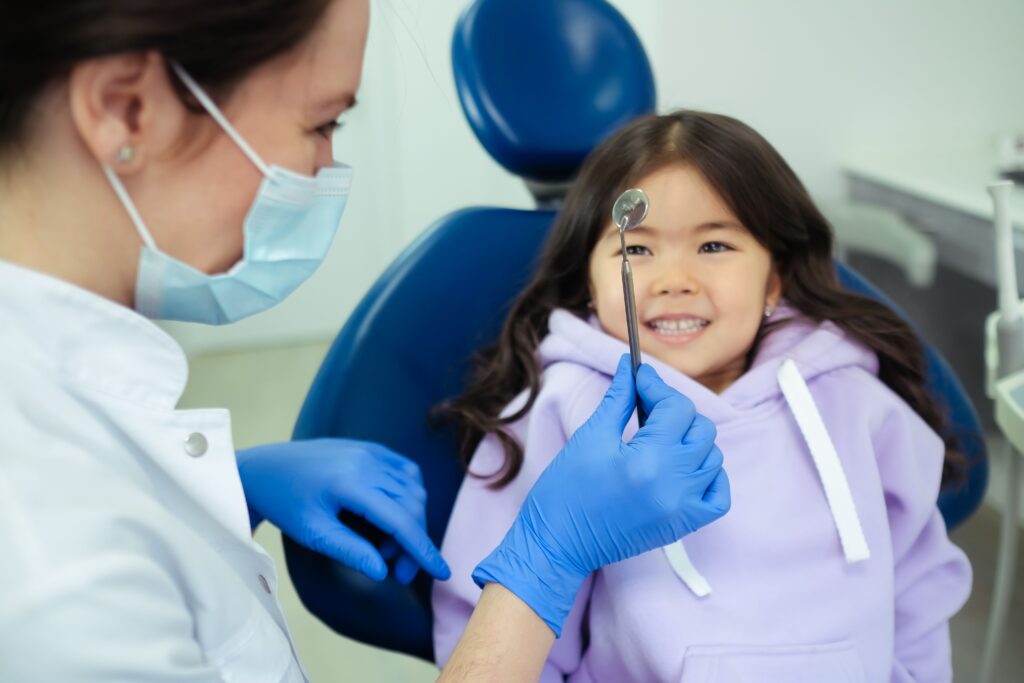
A child’s smile is constantly changing as their teeth and jaws develop. From the appearance of their first baby teeth to the eruption of permanent teeth, regular dental care plays an important role in supporting healthy oral development.
Many parents may assume that baby teeth do not require much attention because they eventually fall out. However, healthy baby teeth are important for eating, speaking, maintaining space for permanent teeth, and supporting normal oral development.
Regular children’s dental checkups allow a dentist to monitor your child’s teeth and gums, identify potential problems early, and help your child develop positive oral hygiene habits from a young age.
What Happens During a Child’s Dental Checkup?
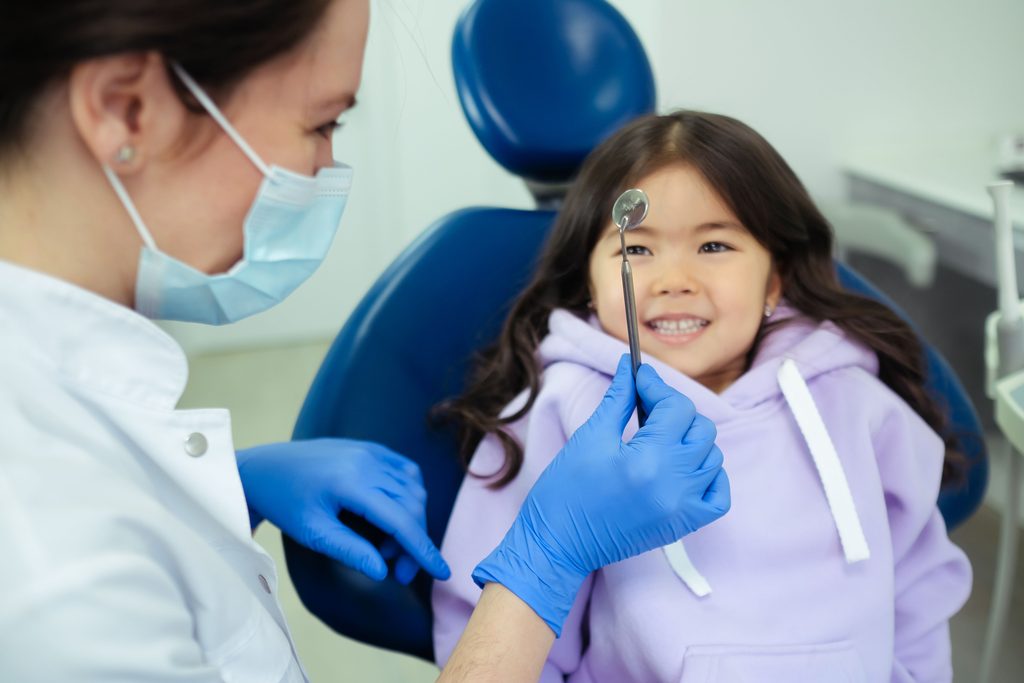
A children’s dental checkup is more than simply looking for cavities. Depending on your child’s age and individual needs, the dental team may examine the teeth and gums, monitor tooth development, discuss brushing and flossing, and provide guidance about diet and other oral health habits.
The dentist may also look for:
- Tooth decay
- Plaque buildup
- Gum problems
- Early signs of enamel concerns
- Problems with tooth eruption
- Crowding or spacing
- Changes in the bite
- Oral habits that may affect development
Regular examinations give your child’s dentist an opportunity to monitor changes over time rather than addressing problems only after symptoms appear.
1. Dental Checkups Help Prevent Cavities
Children can be particularly vulnerable to tooth decay. Frequent snacking, sugary foods and drinks, inconsistent brushing, and difficulty reaching certain areas of the mouth can all contribute to cavities.
During regular dental visits, your child’s teeth can be examined for early signs of decay.
Professional dental cleanings may also help remove plaque and buildup that regular brushing may not completely eliminate.
Parents can support cavity prevention at home by helping children:
- Brush twice a day with fluoride toothpaste.
- Clean between teeth as recommended.
- Drink plenty of water.
- Limit frequent sugary snacks and drinks.
- Maintain regular dental appointments.
Building these habits early can make good oral hygiene a normal part of your child’s daily routine.
2. Early Detection Can Make Treatment Easier
One of the major benefits of regular children’s dental checkups is early detection.
Some dental problems may not cause noticeable pain in their early stages. A child may have developing tooth decay, an eruption issue, or another concern without realizing that anything is wrong.
Regular examinations give the dentist an opportunity to identify potential problems before they become more complicated.
For example, detecting a small cavity early may allow the dentist to address it before it becomes larger or causes discomfort.
Early dental care can also help parents understand what to watch for as their child’s teeth and jaws develop.
3. Dentists Can Monitor Permanent Teeth
Children gradually transition from baby teeth to permanent teeth. This process can take several years, and regular dental examinations allow the dentist to monitor how permanent teeth are developing and erupting.
The dentist can look at:
- Which teeth have erupted
- Whether permanent teeth are developing normally
- Available space for incoming teeth
- Signs of crowding
- Changes in the bite
- The position of developing teeth
Monitoring these changes can help identify potential orthodontic or developmental concerns at an appropriate stage.
Not every child will need orthodontic treatment, but regular dental visits allow potential concerns to be identified and discussed when necessary.
4. Dental Visits Help Children Learn Good Habits
Children learn many of their habits from the adults around them. Regular dental visits can reinforce the importance of taking care of their teeth.
A dentist or dental hygienist can demonstrate proper brushing techniques and explain why cleaning the teeth every day matters.
Children can also learn about:
- Brushing for the recommended amount of time
- Cleaning all surfaces of their teeth
- Flossing or cleaning between teeth
- Making healthier snack choices
- Protecting their teeth during sports
- Visiting the dentist regularly
When children become familiar with these habits early, maintaining good oral hygiene can become easier as they grow.
5. Regular Visits Can Help Children Feel More Comfortable at the Dentist
For some children, visiting a dental office for the first time can feel unfamiliar or intimidating.
Regular dental appointments can help make dental care feel like a normal part of growing up.
Instead of only visiting the dentist when there is pain or an emergency, children can become familiar with the dental environment through routine preventive appointments.
A positive dental experience during childhood may also help reduce dental anxiety and encourage children to continue seeking regular dental care as adults.
Parents can help by speaking positively about dental appointments and avoiding language that may make dental treatment sound frightening.
6. Dentists Can Provide Personalized Oral Health Advice
Every child is different. Some children may be more prone to cavities, while others may have concerns related to tooth alignment, oral habits, or brushing technique.
Regular dental appointments give parents an opportunity to ask questions and receive guidance based on their child’s individual needs.
For example, you may want to ask about:
- The right toothbrush for your child
- Fluoride toothpaste
- Flossing techniques
- Thumb-sucking or other oral habits
- Sugary snacks and drinks
- Tooth sensitivity
- Sports mouthguards
- Permanent tooth development
Personalized guidance can make it easier for parents to support their child’s oral health between appointments.
7. Healthy Baby Teeth Matter
Baby teeth play several important roles even though they are temporary.
They help children chew food, develop clear speech, and maintain space for permanent teeth. Premature loss of a baby tooth due to severe decay or other problems can sometimes affect the development and positioning of permanent teeth.
This is why parents should not overlook cavities or other problems simply because a baby tooth will eventually fall out.
Maintaining healthy baby teeth helps support a child’s overall oral development.
8. Dental Checkups Can Support Healthy Gums
Children can develop gum problems too. Plaque that remains on the teeth can irritate the gums and contribute to inflammation.
During a dental checkup, the dentist can examine the gums and identify signs such as redness, swelling, or bleeding.
Teaching children how to brush gently along the gumline and clean between their teeth can help support healthy gums.
If your child’s gums frequently bleed, swell, or appear unusually red, speak with your dental professional.
9. Dentists Can Discuss Fluoride and Preventive Treatments
Depending on your child’s age and risk of tooth decay, your dentist may recommend additional preventive measures.
Fluoride is commonly used to help strengthen tooth enamel and reduce the risk of cavities. Your dentist can recommend an appropriate fluoride routine based on your child’s age and oral health.
In some cases, dental sealants may also be recommended for certain permanent teeth. Sealants can cover the grooves and pits of back teeth where food and plaque may become trapped.
Your child’s dentist can determine whether these preventive treatments are appropriate.
How Often Should Children Visit the Dentist?
The appropriate dental visit schedule can vary depending on a child’s age, oral health, risk of cavities, and individual needs.
Rather than waiting until your child develops tooth pain, it is generally better to establish a routine preventive dental schedule recommended by your child’s dentist.
Regular appointments allow the dental team to monitor your child’s development and adjust recommendations as their needs change.
If your child has a history of cavities, dental anxiety, orthodontic concerns, or other oral health issues, the dentist may recommend more frequent visits.
What Can Parents Do Between Dental Visits?
Dental checkups are important, but what happens at home has an equally important role in maintaining your child’s oral health.
Parents can encourage healthy habits by:
Brushing Twice a Day
Help younger children brush effectively and supervise them until they can consistently brush properly on their own.
Cleaning Between Teeth
As soon as your child’s teeth touch each other, cleaning between them becomes important. Ask your dental team about the best method for your child.
Choosing Tooth-Friendly Foods
Limit frequent sugary snacks and drinks. Encourage nutritious meals and snacks and make water a regular beverage choice.
Avoiding Constant Snacking
Frequent exposure to sugary foods and drinks can increase the risk of tooth decay. Establishing regular meal and snack times can help.
Protecting Teeth During Sports
If your child participates in contact sports or activities where there is a risk of injury, ask your dentist whether a mouthguard is recommended.
When Should You Take Your Child to the Dentist?
In addition to routine checkups, parents should contact a dentist if their child experiences symptoms such as:
- Toothache
- Tooth sensitivity
- Swollen gums
- Facial or jaw swelling
- Persistent bad breath
- Bleeding gums
- A chipped or broken tooth
- Difficulty chewing
- A loose tooth caused by an injury
- Discoloration or visible spots on a tooth
A dental professional can determine what is causing the problem and recommend appropriate care.
Making Children’s Dental Care a Long-Term Habit
Good oral health is built over time. Regular dental checkups combined with proper home care can help children develop habits that benefit them throughout their lives.
A child’s dental needs will change as they grow. Baby teeth will eventually be replaced by permanent teeth, the jaw will continue developing, and their oral hygiene routine will need to adapt.
Regular dental visits allow these changes to be monitored while giving parents professional guidance along the way.
Most importantly, routine dental care can teach children that visiting the dentist is a normal part of maintaining their health rather than something they only need when they are in pain.
Book Your Child’s Dental Checkup
Regular children’s dental checkups can help prevent dental problems, monitor tooth development, and establish healthy oral hygiene habits from an early age.
If your child has not had a dental examination recently, scheduling a visit can be an important step toward protecting their growing smile.
Book your child’s appointment with The Family Dental Centre today and give your child a healthy foundation for a lifetime of confident smiles.
Have a question about your smile?
Our Scarborough team is happy to talk it through — no obligation, no pressure.